
Exploring the best real money pokies at Neosurf Casinos Australia: What you need to
5 de setembro de 2026Fast withdrawal casinos Canada: How Interac simplifies your gaming experience
6 de setembro de 2026
The Role of Luck in Gambling
When entering a casino, many players carry the belief that luck is a pivotal factor in their success. This notion has been part of gambling culture for centuries, where victories are often attributed to good fortune and losses to misfortune. The intricate balance between skill and luck is a fundamental theme in casinos, where random outcomes dictate game results, often seen in the context of an online casino experience. Understanding this relationship aids in grasping the psychological dynamics that drive gambling behaviors, making it a fascinating area of exploration for both casual players and enthusiasts alike.
Luck can manifest in various forms throughout a player’s experience. For instance, some individuals may feel an upswing of positive energy during a winning streak, creating an ambiance that convinces them luck is on their side. This psychological phenomenon often leads to increased risk-taking, as players raise their bets in the heat of excitement, believing their fortunate streak will continue indefinitely. Conversely, a series of losses can create feelings of being cursed, which may discourage players from continuing and impact their future decisions regarding gambling.
It’s crucial to recognize that while luck is an inherent aspect of games such as slots, roulette, or craps, many table games also involve a significant degree of skill. In games like poker, a player’s decision-making prowess can heavily influence outcomes, although the element of chance remains. The interplay between luck and skill adds complexity to the casino experience, with players often navigating a fine line between hope and strategy, making every visit to the gaming floor a unique experience.
The Psychology of Gambling and Luck
The psychology behind gambling is a multifaceted field that investigates how cognitive biases and emotional responses shape behavior. When players attribute their wins to luck, they may overlook their own strategic contributions. This perception can create a cycle where attributing victories to luck reinforces a repetitive gambling pattern, deepening the need for the thrill that accompanies chance. Such psychological dynamics reveal how deeply embedded the concept of luck is within the gambling experience, influencing how players approach games and their expectations of winning.
Cognitive biases, such as the gambler’s fallacy, can distort a player’s understanding of luck. Many players mistakenly believe that if a particular outcome has not occurred recently, it is “due” to happen soon, ignoring the fact that each game round is independent. This fallacy can lead to irrational betting decisions driven by the illusion that luck can be controlled. A more informed understanding of the random nature of casino games could encourage players to adopt strategies aimed at mitigating losses rather than relying solely on luck.
The feeling of control is another psychological aspect that plays a vital role in gambling behavior. Many gamblers engage in rituals or superstitions, believing they can influence their luck through specific actions or items, such as wearing lucky clothing or performing certain gestures. These habits can provide players with a sense of agency in the unpredictable world of gambling. While these practices might enhance the enjoyment of the experience, they ultimately do not alter the odds and underscore the human desire for control in uncertain situations.
The Impact of Environment on Luck
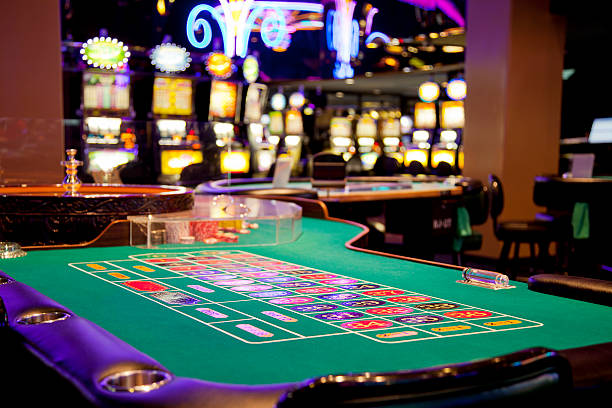
The casino environment can significantly influence a player’s perception of luck. Elements such as ambiance, lighting, and the presence of other players create an exhilarating atmosphere that can enhance the feeling of possibility. Noisy, crowded spaces filled with cheers, jingling coins, and flashing lights can lead players to believe that luck is more favorable in the moment. This communal vibe amplifies the thrill of gaming, potentially affecting a player’s mindset and financial decisions in a profound way.
Social interactions within a casino also shape individual narratives of luck. Players frequently share their stories of winnings and losses, contributing to a collective belief in lucky machines or tables. Such communal narratives can create a bandwagon effect, drawing players to specific areas of the casino based on the perceived luck of those spots. This social dimension highlights how external influences can significantly affect personal experiences, making the notion of luck feel more tangible within shared spaces.
Moreover, the design elements of games can enhance the perception of luck. Many slot machines and progressive jackpots incorporate lucky symbols, such as four-leaf clovers or lucky sevens, into their themes. These design choices can deepen the psychological connection players feel with their potential for winning, influencing their overall experience and perceptions of how much luck plays a role in their gaming outcomes. Understanding these environmental factors can enrich a player’s approach to gaming, allowing them to appreciate the multifaceted nature of their experience.
The Limits of Luck in Casino Games
While luck is undeniably a factor in casino gaming, it is essential for players to comprehend its limitations. Most casino games are designed with a built-in house edge, which mathematically skews the odds in favor of the casino over time. This reality emphasizes that while luck may facilitate short-term wins, it cannot ensure long-term success. Acknowledging the inherent probabilities can help players manage their expectations and finances effectively, fostering a more responsible approach to gambling.
Furthermore, adopting responsible gambling practices is crucial in navigating the influence of luck. Players should aim to establish limits on their betting activities, ensuring that they engage with games primarily for entertainment rather than as a source of income. Recognizing that luck is merely a companion to skill can empower players to make more informed choices, cultivating a healthier relationship with gambling and enhancing the enjoyment of their experience without the pressures of financial gain.
Engaging in games that require both skill and luck can also provide a pathway for players looking to improve their chances of success. Games like poker emphasize strategic decision-making, where knowledge and experience can lead to better outcomes. By focusing on skill-based play, gamblers can shift the emphasis from sheer luck to a more calculated and analytical approach, enriching their overall casino experience and enhancing their potential for success.
The Importance of Education in Gambling
Education about gambling is vital for anyone aiming to navigate the complexities of the casino landscape. Understanding the mechanics of various games, the mathematical probabilities involved, and the psychological aspects of gambling contributes to a more informed approach. Players who take the time to educate themselves about odds and strategies are better equipped to manage their expectations and outcomes, ultimately enhancing their overall gaming experience.
Additionally, numerous online resources and communities exist to facilitate learning, allowing players to exchange insights and strategies. These educational platforms help demystify the games, fostering a sense of community among players. As individuals learn from each other, the collective knowledge builds a more savvy gambling population that approaches casinos with realistic expectations regarding luck and probabilities of winning.
In conclusion, prioritizing education in relation to luck can create a healthier gambling environment. By emphasizing knowledge and strategy over blind reliance on luck, players can cultivate a more rewarding casino experience. This proactive approach encourages responsible gambling, allowing players to relish the thrill of the game while minimizing the potential downsides associated with the unpredictable nature of luck.
